Beware the Drifter
Beware the Drifter
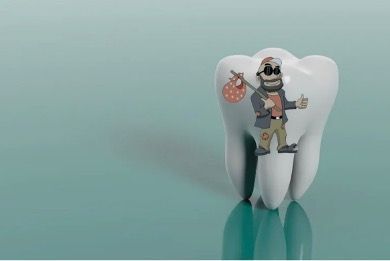
Drifter: a wanderer without a permanent home. One who doesn’t stay in one place for very long. One who moves about aimlessly. A hobo or a bum. One who moves from place to place w/out a purpose or plan.
While the definition given above may be considered derogatory, in dentistry, the drifting teeth are our enemy. Mainly because of the ill effects they have on neighboring teeth, oral health and ultimately in TMJ function.
Mesial drift (the term we use to assign direction of movement) is the natural, gradual tendency for teeth to slowly shift forward, towards the front of the mouth (the midline), a common phenomenon that can cause crowding, especially in the lower front teeth, as people age.
Causes of Mesial Drift
- Tooth Loss: When a tooth is extracted, surrounding teeth drift into the gap to fill it.
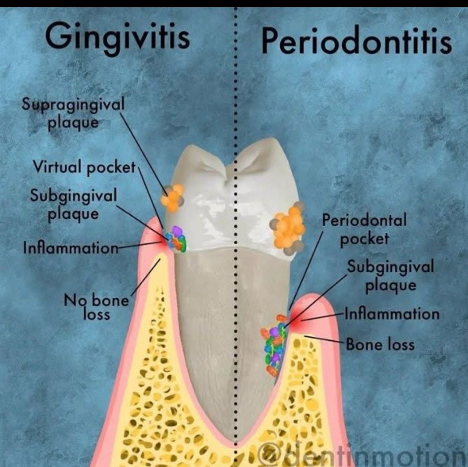
- Gum Disease: (Periodontal Disease): Bone and gum recession weaken tooth support, leading to mobility and shifting.
- Aging: Periodontal ligaments weaken, and jawbone density decreases over time, allowing teeth to move more easily.
- Genetics: Heredity can play a role in how teeth shift.
- Lack of Retainer Wear: Teeth can drift back to their original positions after orthodontic treatment if retainers aren't worn.
Consequences
- Crowding & Overlapping: Teeth push forward, leading to a crowded or crooked smile.
- Open Contacts: Spaces can form between teeth, potentially requiring new crowns or fillings.
- TMJ Issues: Shifting can alter bite alignment, potentially causing jaw pain or clicking (temporomandibular joint dysfunction).
Solutions to the drifting problem:
Whenever teeth are lost, serious consideration should be made to for replacement(s). This the best way to restore chewing function and esthetics, as well as to prevent more serious and costly future consequences. Implants, bridges, and removable partial dentures are several options available to maintain the teeth function as a healthy unit.
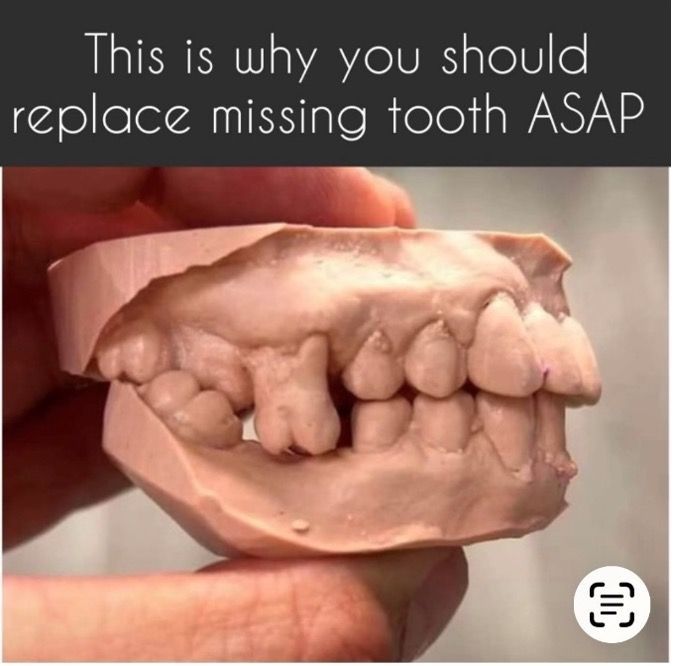
This model of a person’s teeth shows what can happen when severe drift of a tooth has occurred. The upper molar tooth has drifted downward into the vacant space where a tooth was never replaced. If replacement had been done sooner, the upper molar would have been unaffected. But in this case, the only treatment option is the extraction of the upper drifted tooth. Now the patient will be left without upper and lower teeth to chew with on the right side of their mouth.