New Smile Design Program at North Branch Dental Works!
Dr. John Laftsidis • November 7, 2025
Have you ever wondered...
Have you ever wondered or thought about improving your smile but hesitated because of the cost, uncertainty about the final outcome or leeriness of a high-pressure sales pitch?
No need to worry with us; we use a newly acquired dental software program that quickly and painlessly shows what can be achieved at our office with before-and-after photos of your face following esthetic dentistry services at NB Dental. Best of all, a consult using this advanced tool is very quick, costs you nothing, and you are under no pressure whatsoever to accept treatment. Just take a look at some sample before-and-after photos for examples.


So, Ouzo and Phoebe wanted to help, so here we go - it even works on dogs!


Botox and Dermal Fillers: Frequently Asked Questions

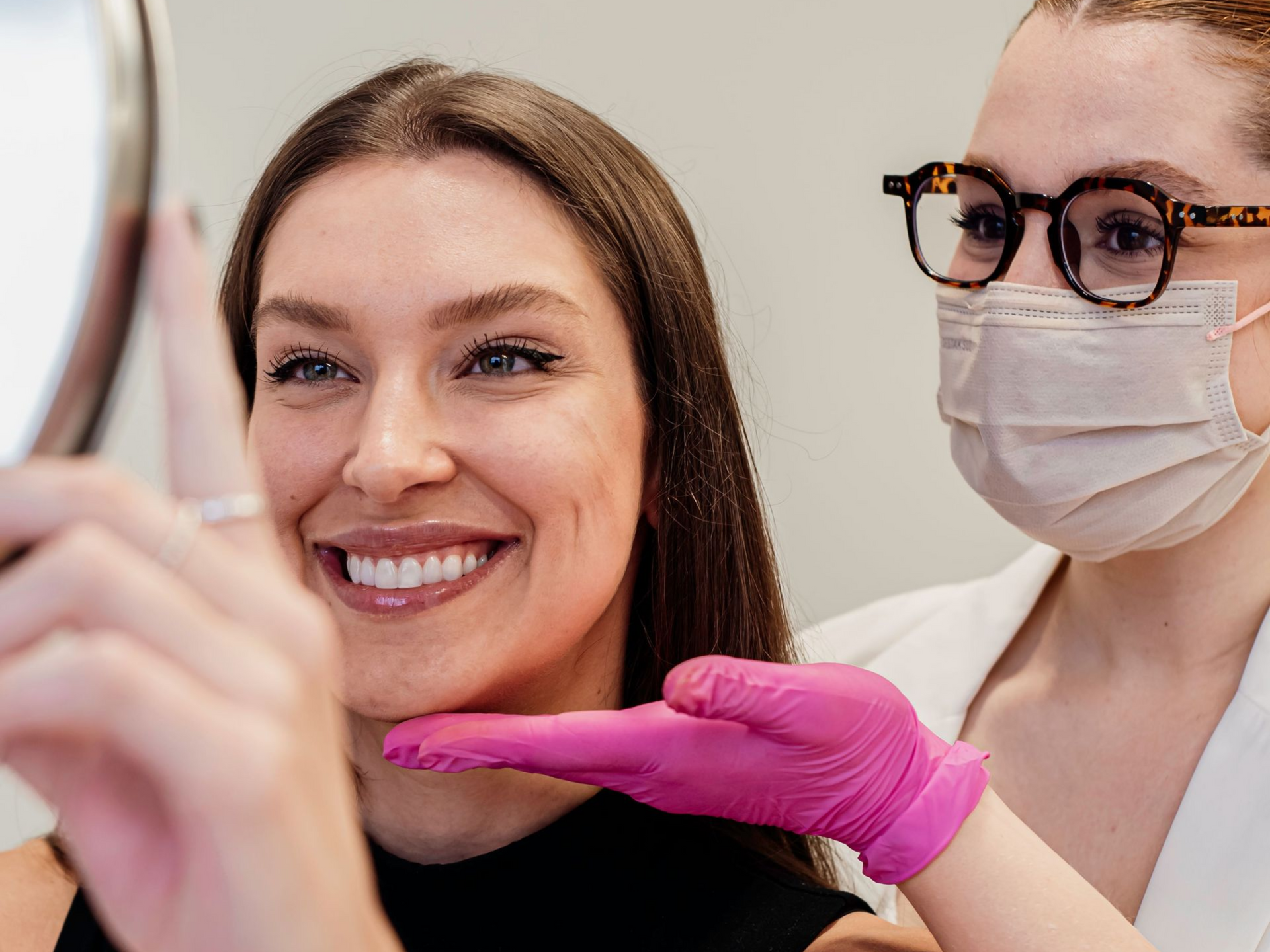
Beyond wrinkle reduction, Botox helps relieve TMJ pain, bruxism, jaw tension, and headaches with a fast, minimally invasive treatment.

Looking for a fun, stylish way to personalize your smile? We’re excited to now offer Twinkles bonded tooth jewelry at our office!
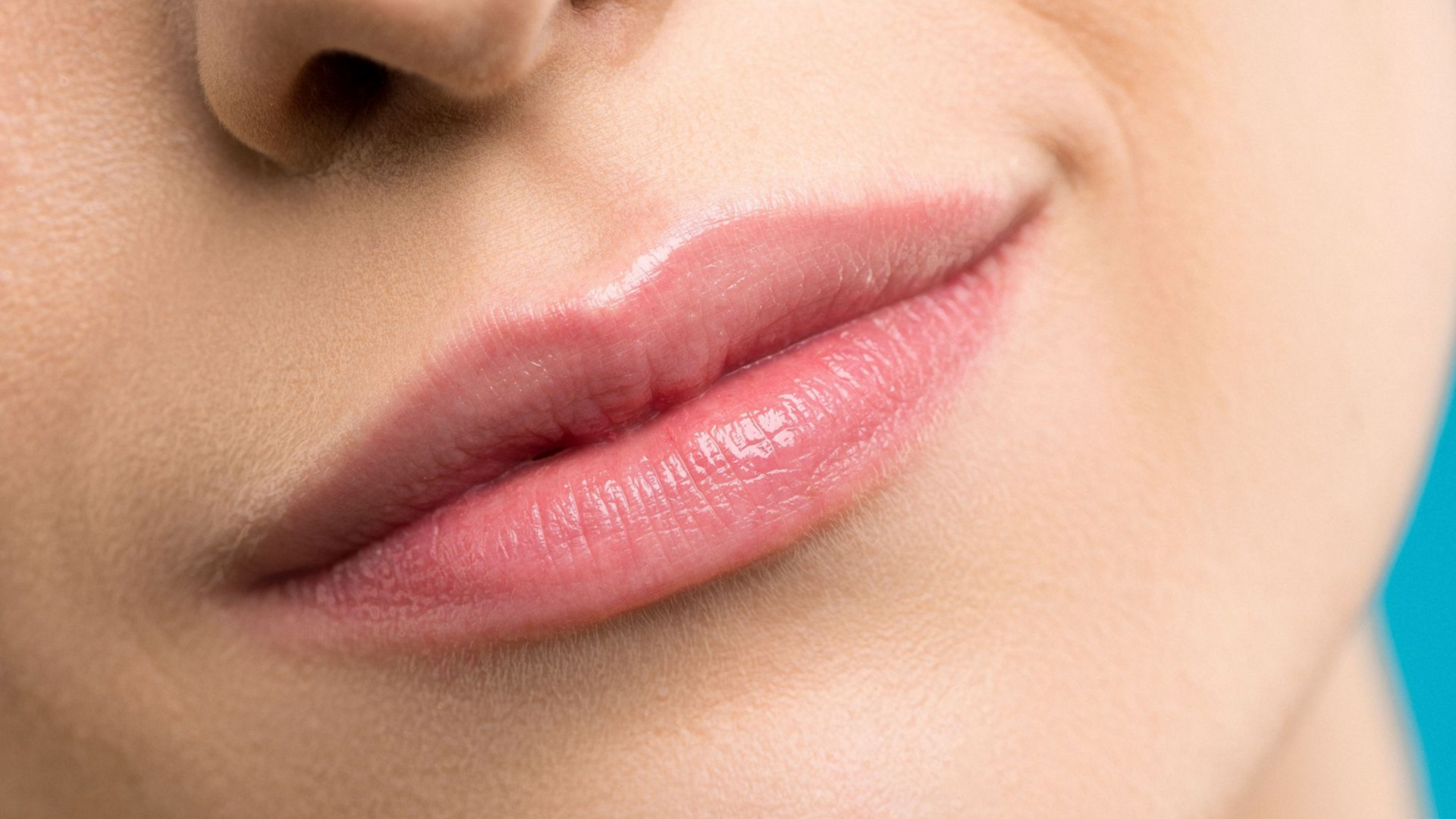
Enhance your smile with natural-looking lip fillers that complement veneers, whitening, Invisalign®, and other cosmetic treatments.

Discover the benefits of Botox for reducing facial lines and wrinkles with fast, comfortable treatments from a trusted dental provider.

Comprehensive dental care in one office offers a full range of services from preventive to cosmetic, providing convenience, personalized treatment, and trusted care for all ages.
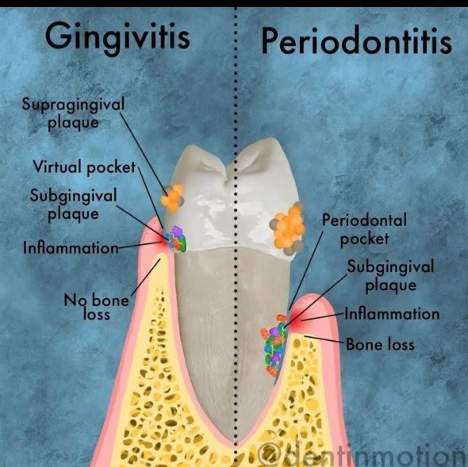
Bleeding gums are never “normal” regardless of how often or how much blood is present. Just as is the case with bleeding, for instance, as the result of a cut on a finger, nosebleed or even a bleeding stomach ulcer: bleeding indicates injury or damaged tissue. In cases other than the mouth the obvious course of action is to stop the bleeding with whatever is the appropriate course of action. So within the mouth, specifically the gums, the scenario is exactly the same in that an abnormal situation must be corrected to stop the bleeding. In the case of bleeding gums the reasons can range from mild, local inflammation (like a stuck popcorn kernel) to chronic soft tissue damage to active infection and eventually bone loss of the jaws leading to loosening and loss of teeth. Periodontitis: A “silent” disease Very frequently I hear disbelief when I find signs and symptoms of periodontal disease with the common response of “…but doctor I never have any pain in my mouth, how can I have periodontal disease.” And the answer is “Exactly!” It’s not until late stages that pain symptoms are felt as a result of loose teeth, but at that point usually over 50% of supporting bone has already been lost. Periodontal disease is a slowly progressing process of soft and hard tissue destruction without pain. In most cases the slow progression of nerve deterioration does not present with any pain. The good news is that (in most cases) this process is preventable with inexpensive and easy dental hygiene, namely daily brushing AND flossing to remove plaque! Bleeding gums and plaque: What’s the connection? Plaque is a sticky, pasty substance composed of dead epithelial cells, retained food particles, salivary minerals and lots of bacteria. The bacteria live and thrive on the yummy food particles left behind between and on the teeth. Like every other living being on earth, these bacteria produce acidic waste as a product of their digesting leftover food. This acidic waste is what activates the body’s defense systems which produce inflammation. This chronic inflammation process lies at the root of periodontal disease and is similar in several ways to chronic infection. The body, in essence, self destructs in it’s attempt to fight and destroy the bacterial waste products. Gingivitis to Periodontal Disease Although a direct cause-effect relationship between gingivitis and periodontal disease is not well established, both processes share similar symptoms and many consider gingivitis as a precursor to periodontal disease. With the gum swelling and plaque buildup that occurs in gingivitis “pockets” form at the gum-tooth junction. These pockets form shelters for bacteria to thrive and progress in depth over time. They eventually reach depths which one cannot reach with flossing and brushing. These pockets are the very foundation of periodontal disease present in almost every case. A plan to fight this disease. Yes, periodontitis is a real disease. It affects many people and is the leading cause of adult tooth loss worldwide. The most effective weapons at your disposal to fight this problem are toothbrush, floss and regular dental checkups. Inexpensive and highly effective but only if done regularly and diligently. Treatment for periodontal disease is expensive, possibly extensive and in many cases does not stop the disease but only slows it down. So the best thing to do is prevent it from even starting.
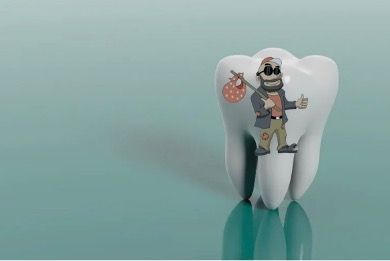
Mesial drift (the term we use to assign direction of movement) is the natural, gradual tendency for teeth to slowly shift forward, towards the front of the mouth (the midline), a common phenomenon that can cause crowding, especially in the lower front teeth, as people age.

New offering for all North Branch Dental Works patients!

Water fluoridation is a proven, cost-effective method to prevent tooth decay by strengthening tooth enamel. Despite misinformation linking fluoride to various health issues, no causal relationship has been established, and numerous health organizations support its use.